Invasive Removal
Why Does It Matter?
Invasive plants make natural spaces uninhabitable by crowding and outcompeting native species that local wildlife depends on for food, shelter and reproduction.
By removing them, we restore space for plants that have evolved alongside local pollinators, birds and soil microorganisms for over thousands of years.
Clearing invasive species is an essential first step to transforming an unhelpful landscape into an healthy local biosphere.
When we all work together we can do amazing things.
Common Invasive Species
Growing amongst our homes and woods, these commonly found species of plants, shrubs and trees are overtaking our forests at an unprecedented rate.
It is vitally important that we learn to identify and remove them so that native, endogenous species may begin to reestablish.
Are any of the following currently growing in your yard?
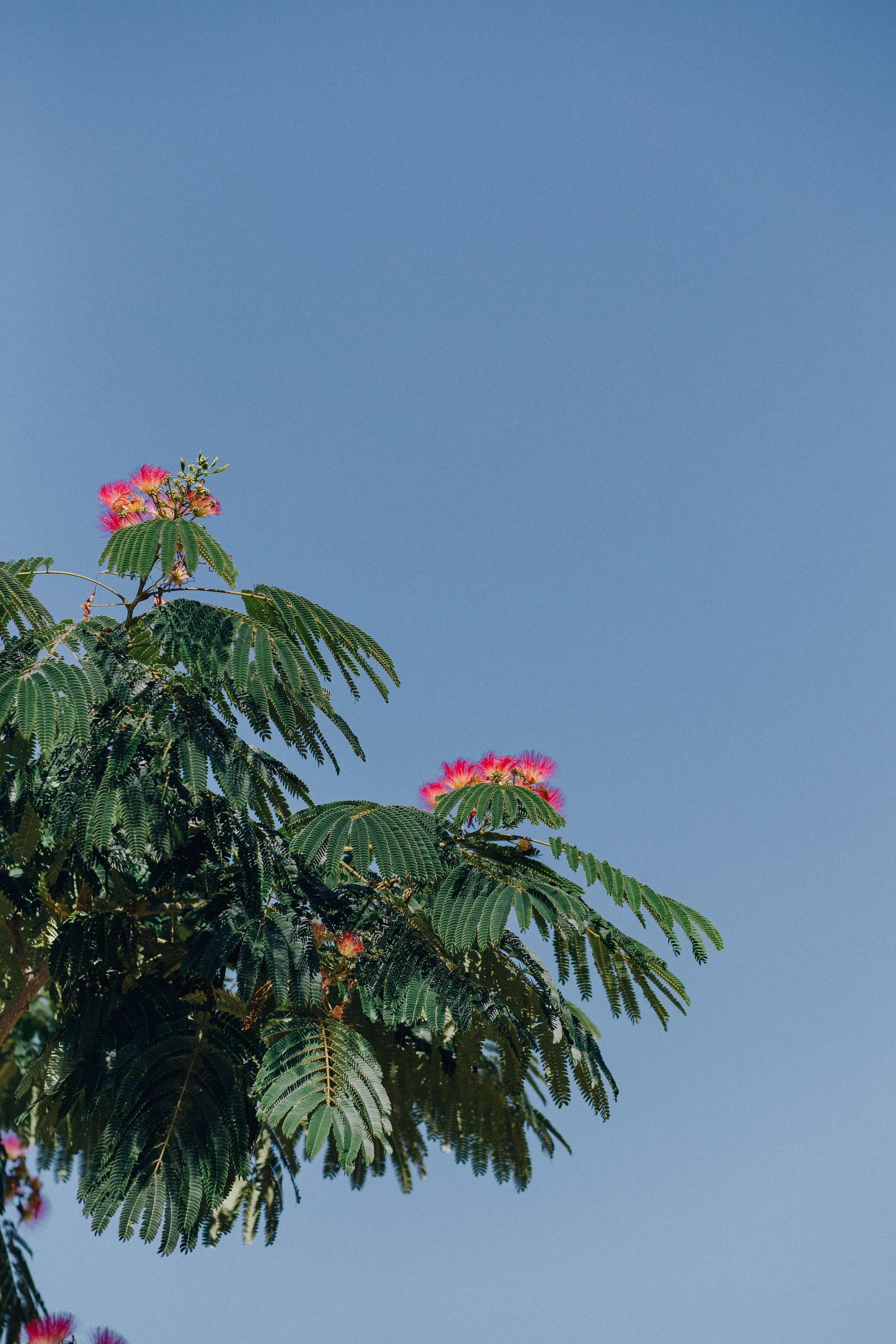
Mimosa Tree
Albizia julibrissin
The mimosa tree has a rapid growth habit with prolific seed production and dispersal, and the ability to resprout from roots/stumps. This allows it to quickly dominate native forest edges, outcompeting native species for light, water, and soil nutrients.
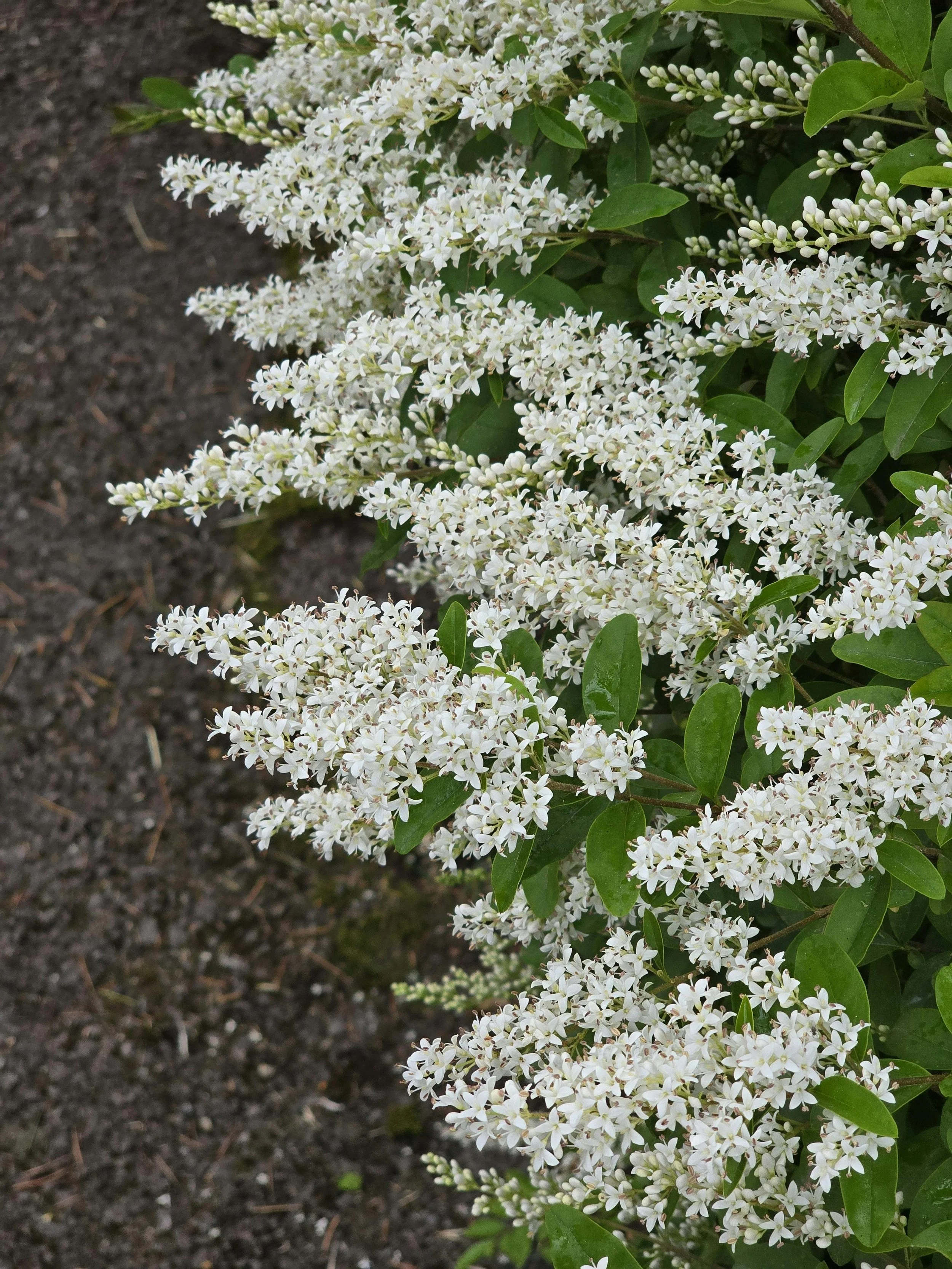
Chinese Privet
Ligustrum sinense
Chinese privet aggressively outcompetes native plants by forming dense thickets that block sunlight, and alter wildlife habitat. Removing it is important to restore native ecosystems, protecting long-term forest health.
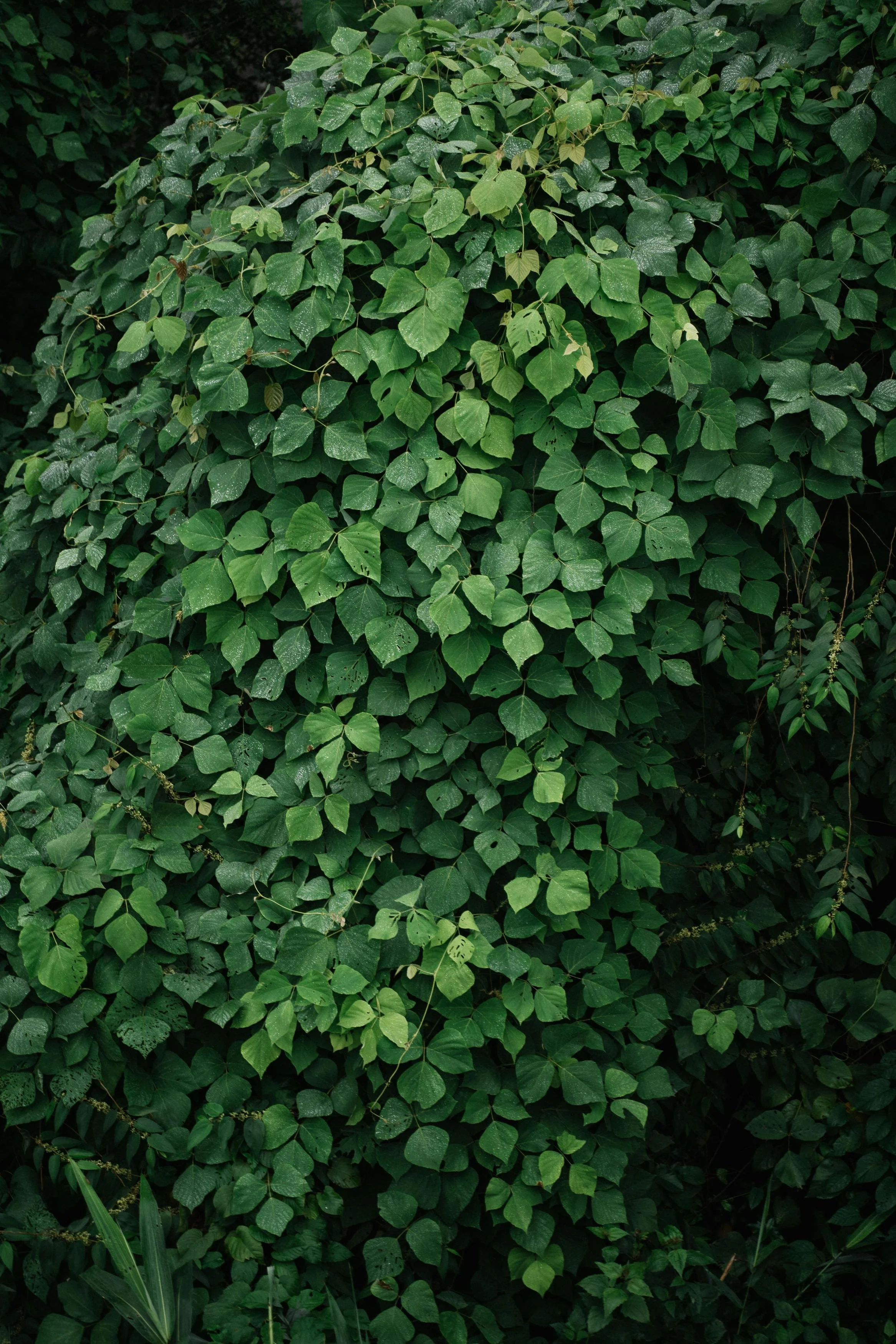
Kudzu
Pueraria montana
Kudzu smothers landscapes with aggressive vine growth that blankets entire swaths of land and structures alike. It can regrow from small fragments and spreads both by seed and vegetative runners. It requires persistent, integrated management to reclaim the land it swallows.
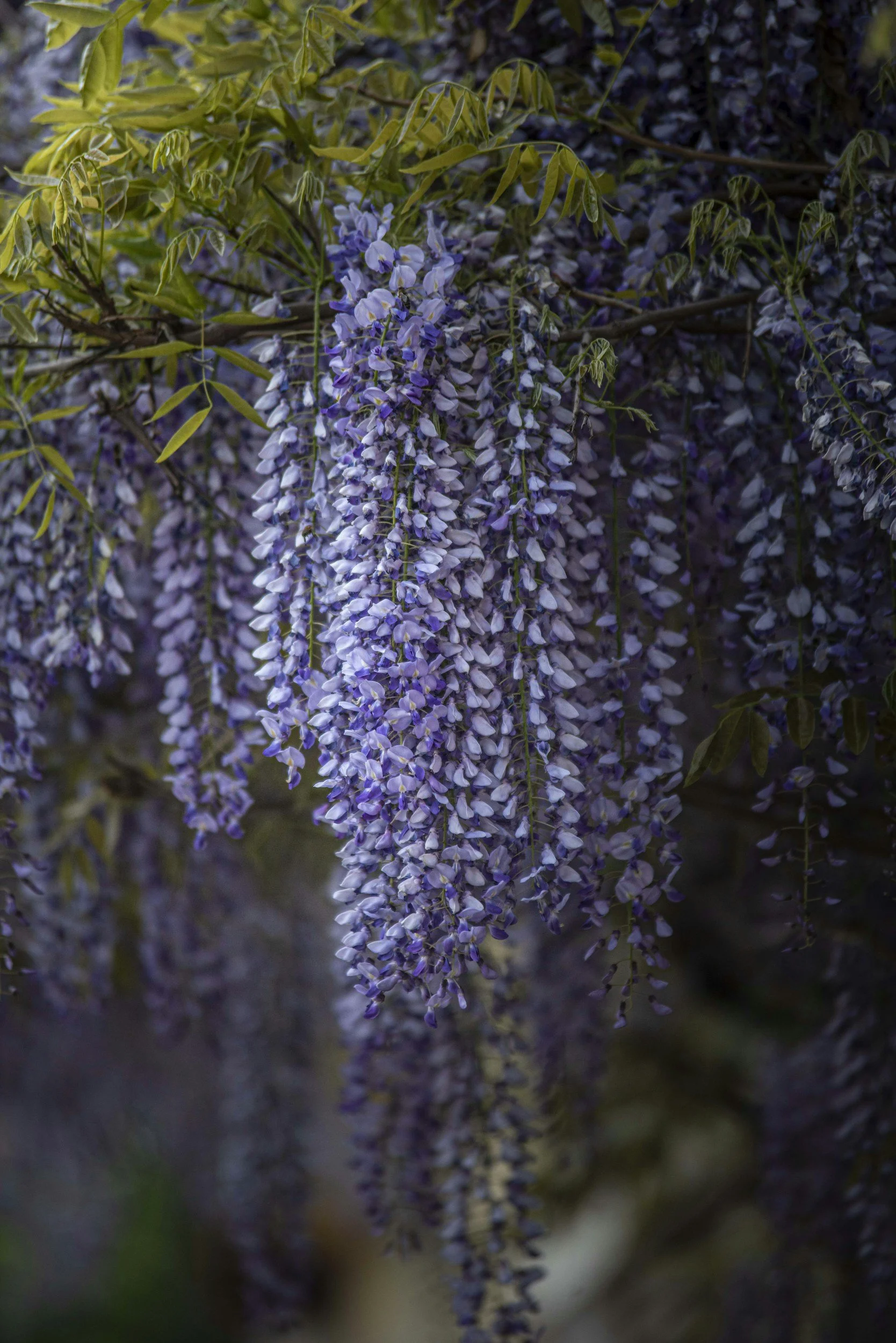
Wisteria
Wisteria sinensis/floribunda
While the blooms are breathtaking, Wisteria smothers trees, fences, and structures by twining woody vines that form heavy, entangled mats. Its prolific suckering and rapid growth can choke native vegetation, and overwhelm landscapes if left unmanaged.
There is a native Wisteria that grows here in the Southeast—it is distinguished by its whitish, blush-pink blooms, as opposed to violet ones.
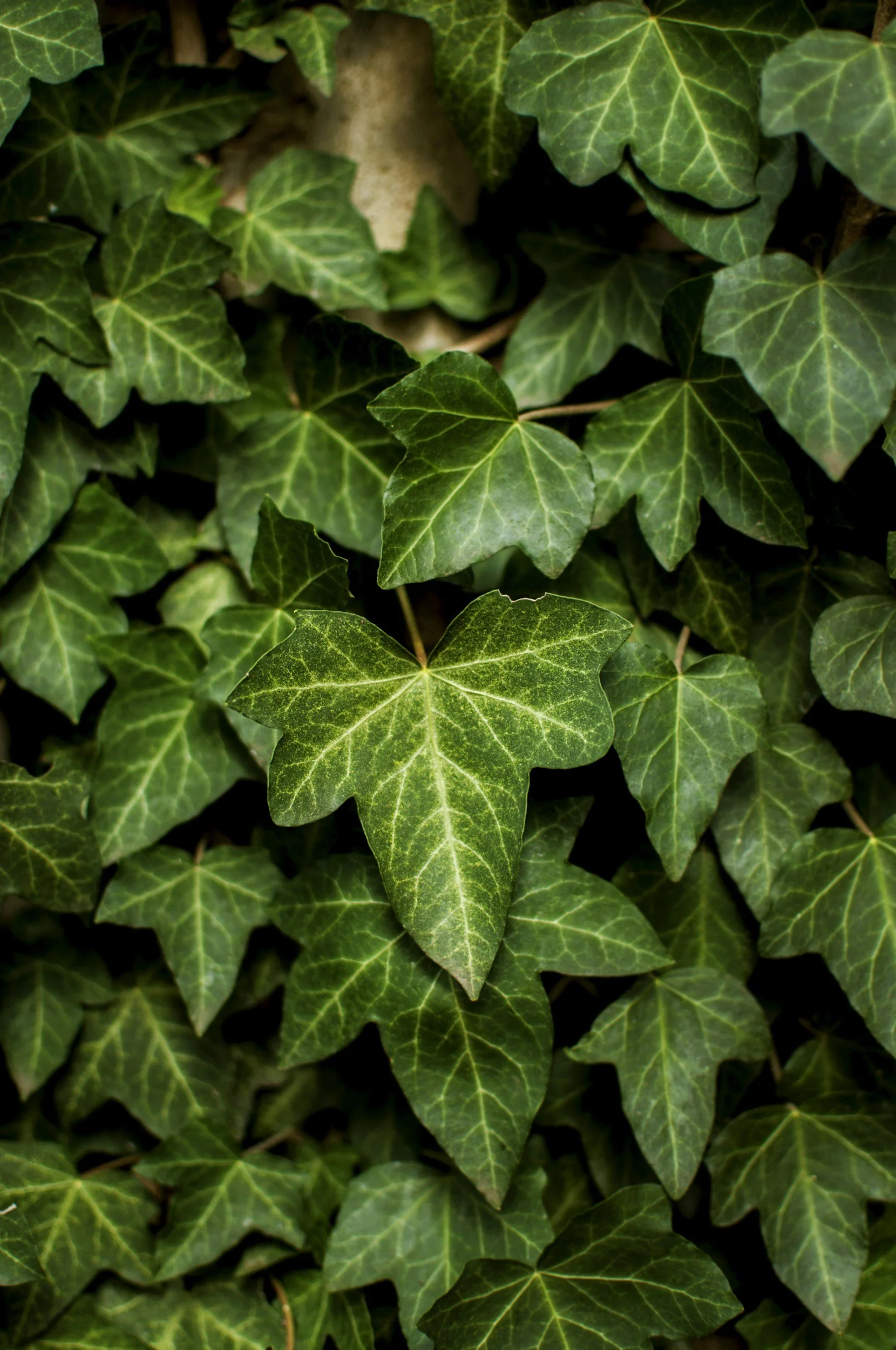
English Ivy
Hedera helix
English ivy climbs by producing aerial rootlets that cling to trees, poles, and homes. Its trailing stems root down to form dense, interwoven mats. Due to it’s shade tolerance and countless root nodes, it suffocates entire forest floors and canopies indiscriminately.
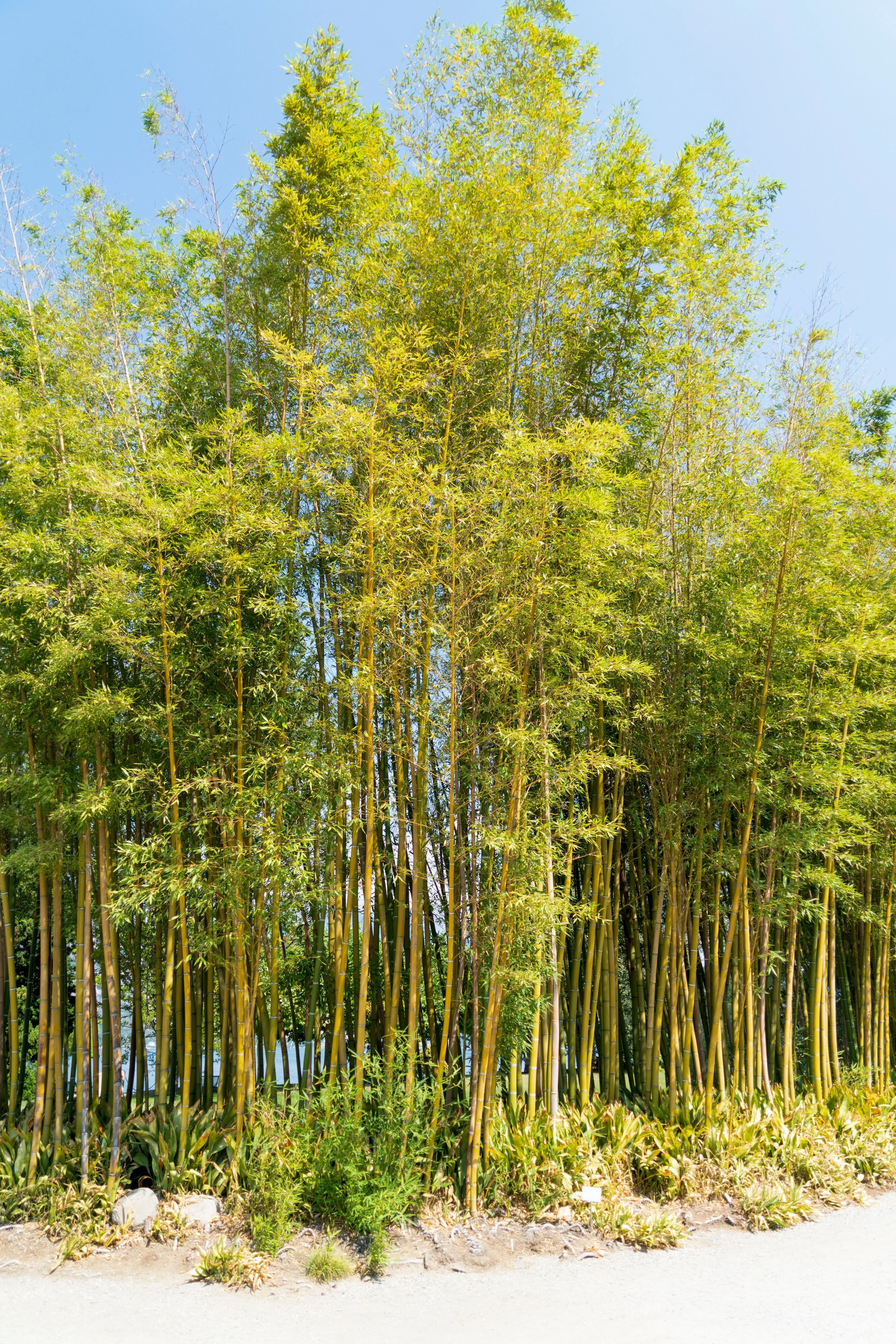
Bamboo
Phyllostachys aurea/bambusoides
Psuedosasa japonica
Invasive bamboo in the Southeast spreads with alarming voracity, sending out underground rhizomes that can extend several feet per month and quickly form impenetrable thickets. Once established, a single plant can colonize yards within a season, making control extremely difficult.
Custom Invasive Removal Plan
Our Invasive Removal plans include up to weekly scheduled visits to your property to ensure that once we start the process, your land may continue to recover and improve.
Plan costs are determined on a case-by-case basis depending on the size, scope, and conditions of your property.
Get in touch with us. We look forward to hearing from you!